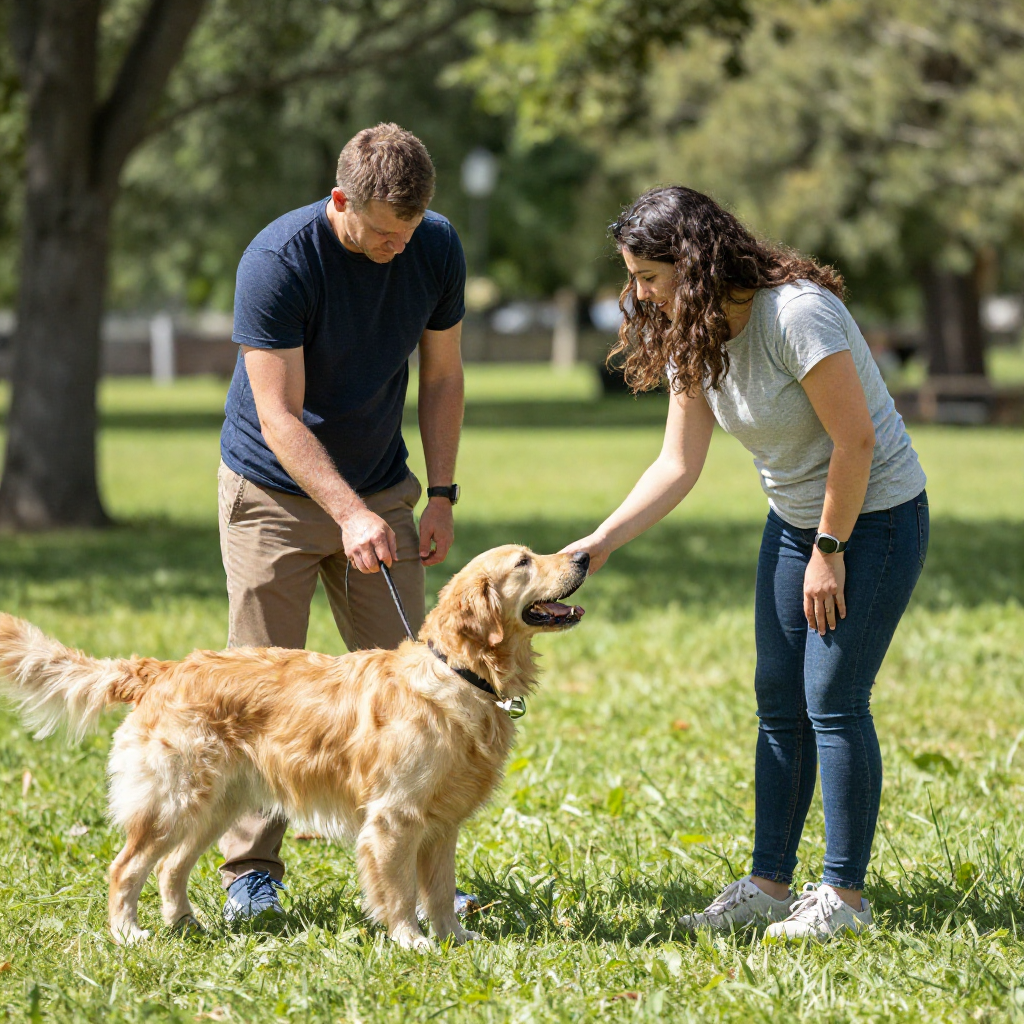
Training a dog is about more than teaching commands. One-on-one dog obedience lessons provide personalized guidance that helps dogs and owners build stronger communication, trust, and everyday cooperation. Every dog has different experiences, energy levels, learning patterns, and behavioral challenges, which is why individualized training can be more effective than a one-size-fits-all approach.
At Rob’s Dog Training, personalized training plans are designed to help professional trainers focus on the specific needs of each dog. Whether the goal is improving basic manners, strengthening listening skills, addressing distractions, or building confidence, private instruction creates a focused environment where meaningful progress can happen.
Dog owners often discover that successful training is not only about what a dog learns but also about how clearly humans communicate. With the right techniques, consistency, and understanding of canine behavior, training becomes a positive experience for both the dog and the owner.
Why Personalized Dog Training Creates Better Learning Experiences
Dogs learn at different speeds and respond differently to training methods. Some dogs may quickly understand basic commands but struggle with impulse control, while others may need additional support with confidence, focus, or social behaviors.
Group classes can provide valuable social exposure, but private training offers advantages that are difficult to achieve in a crowded setting. A trainer can observe the dog’s behavior closely, identify specific challenges, and adjust exercises based on real-time responses.
One-on-one training can help address areas such as:
- Basic obedience commands like sit, stay, come, and down
- Leash manners and polite walking habits
- Recall training for improved safety
- Focus around distractions
- Jumping, barking, or unwanted behaviors
- Confidence-building exercises
- Household manners and boundaries
The goal is not simply to make a dog follow commands. Effective obedience training helps create a relationship where dogs understand expectations and owners know how to guide behavior consistently.
The Benefits of One-on-One Dog Obedience Lessons for Owners and Dogs
Personalized obedience training supports long-term behavior development because lessons are designed around the individual dog. Instead of spending time on skills a dog already understands, training sessions can focus on areas where improvement is needed most.
Individual Attention Helps Identify Behavior Patterns
Many unwanted behaviors are connected to specific triggers, environments, or communication gaps. A professional trainer can help owners recognize why certain behaviors occur instead of only correcting the visible action.
For example, a dog that pulls on a leash may not simply need more practice walking. The behavior could be related to excitement, lack of focus, inconsistent expectations, or difficulty managing distractions.
Understanding the reason behind a behavior makes training more productive and creates better habits over time.
Training Builds Better Communication
Dogs do not understand human language the same way people do. They rely on body language, tone, timing, and repetition to understand what owners expect.
Obedience training teaches owners how to communicate more clearly through:
- Consistent commands
- Proper timing of rewards
- Positive reinforcement techniques
- Clear boundaries
- Appropriate responses to behavior
When communication improves, dogs are more likely to respond reliably because they understand what is being asked of them.
Private Lessons Adapt to Each Dog’s Personality
A young puppy, an adult rescue dog, and an experienced companion animal all require different approaches. Age, breed traits, past experiences, and temperament can influence how a dog responds during training.
A customized approach may include:
- Puppy foundation skills
- Advanced obedience exercises
- Behavior modification strategies
- Confidence-building activities
- Real-world practice in different environments
Personalized instruction respects the fact that every dog has its own learning journey.
What Happens During Private Obedience Training Sessions?
Many dog owners wonder what to expect from individual training sessions. While every program may differ, effective lessons typically include observation, instruction, practice, and feedback.
A typical session may involve:
1. Understanding Current Behaviors
The trainer begins by learning about the dog’s history, daily routine, current challenges, and training goals. This information helps create a plan based on the dog’s needs.
Questions may include:
- What behaviors are causing concern?
- How does the dog respond to different situations?
- What commands does the dog already know?
- What goals does the owner want to achieve?
2. Teaching Practical Skills
Training focuses on behaviors that improve daily life. Commands are practiced in ways that help dogs understand expectations beyond a single training environment.
For example, a dog may practice staying calm near distractions, responding to recall cues, or walking politely during regular outings.
3. Coaching the Owner
A major part of successful dog training involves teaching owners how to continue the work between lessons. Dogs learn through repetition, so consistency at home plays an important role.
Owners gain guidance on:
- How to reward desired behaviors
- How to prevent common mistakes
- How to practice commands effectively
- How to maintain progress after training
The result is a stronger partnership between the dog and the person responsible for their care.
How Obedience Training Supports Better Everyday Behavior
A well-trained dog is easier to manage in everyday situations. Obedience skills can improve safety, reduce frustration, and help dogs participate more confidently in family activities.
Reliable training can make situations such as these more enjoyable:
- Going for walks
- Meeting visitors
- Traveling with a dog
- Visiting public spaces
- Interacting with other pets
- Participating in family routines
Training also provides mental stimulation. Dogs need opportunities to think, solve problems, and engage with their environment. Learning new skills can support confidence and reduce boredom-related behaviors.
Positive Reinforcement and Modern Dog Training Methods
Modern dog training focuses on understanding behavior and creating clear learning opportunities. Positive reinforcement is widely used because it encourages dogs to repeat behaviors that lead to rewarding outcomes.
Examples of positive reinforcement include:
- Rewarding calm behavior
- Praising successful responses
- Providing treats or play opportunities
- Encouraging focus and cooperation
Effective training is not about forcing obedience. It is about creating understanding through patience, consistency, and appropriate guidance.
A skilled trainer considers the dog’s emotional state while helping owners develop realistic expectations. Building reliable behavior takes time, practice, and a commitment to clear communication.
Choosing the Right Training Approach for Your Dog
Selecting the right type of training depends on the dog’s needs and the owner’s goals. Private obedience instruction is especially helpful for dogs that require focused attention or customized support.
Before beginning training, owners should consider:
- Training goals: Determine whether the focus is basic manners, advanced obedience, or addressing specific behaviors.
- Trainer experience: Look for a professional who understands canine behavior and uses effective, humane training practices.
- Consistency requirements: Successful results depend on practicing skills outside of scheduled lessons.
- Dog compatibility: Every dog responds differently, so the training approach should match the dog’s personality and learning style.
The best training programs create a partnership between the trainer, the owner, and the dog.
Building Lasting Results Through Consistent Practice
Obedience training is an ongoing process rather than a quick solution. Dogs continue learning throughout their lives, and regular practice helps maintain skills and strengthen habits.
Simple daily activities can reinforce training, including:
- Practicing commands during walks
- Rewarding calm behavior at home
- Creating predictable routines
- Introducing new challenges gradually
- Continuing mental enrichment activities
Small moments of practice can make a significant difference. Consistency helps dogs understand expectations and gives owners confidence in handling different situations.
Strengthen Your Bond Through Personalized Training
Every dog has unique qualities, and effective training recognizes those differences. One-on-one dog obedience lessons give owners the opportunity to work directly on their dog’s needs while developing better communication and trust.
With personalized guidance from Rob’s Dog Training, dogs can learn valuable skills that support safer interactions, improved manners, and a more enjoyable relationship with their families. Training is not only about obedience; it is about creating a stronger connection built on understanding and cooperation.
For dog owners looking for a focused approach to improving behavior and building reliable skills, individualized obedience training offers a practical path toward lasting results.