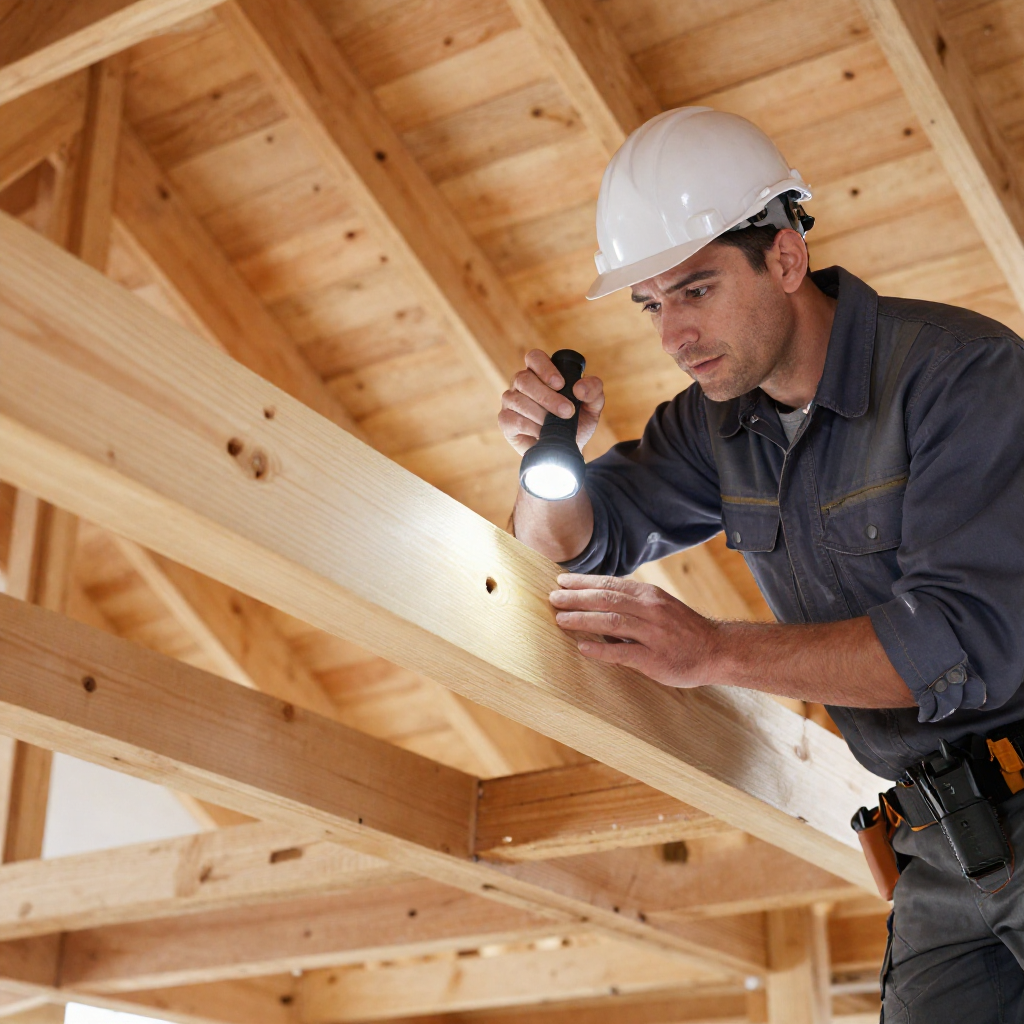
Winter brings colder temperatures, increased rainfall or snowfall in many regions, and changing conditions that can affect both your home and the pests looking for shelter. While many insects become less active outdoors during winter, rodents and some wood-damaging pests may seek protection inside warm, dry buildings. Properly winterizing a wood-frame home helps protect structural timber, improve energy efficiency, and reduce the risk of pest-related problems throughout the colder months.
A successful winter preparation plan goes beyond sealing drafts and servicing heating systems. It also includes moisture control, regular inspections, proper ventilation, and preventive maintenance to keep your timber healthy. If signs of woodworm or other timber pests are discovered, modern treatment methods—including microwave woodworm treatment for localized infestations—can help preserve valuable structural wood without unnecessary disruption.
In this guide, you’ll learn how to prepare your wood-frame home for winter while minimizing the risk of pest activity.
Why Winter Preparation Is Important
Cold weather changes how pests behave.
During winter, some pests may look for:
- Warm shelter
- Dry nesting areas
- Food sources
- Protected roof spaces
- Crawl spaces
- Basements
Preparing your home before winter helps reduce opportunities for pests while protecting timber from moisture-related damage.
Common Winter Pest Risks
Depending on your location, winter may increase the likelihood of:
- Rodents entering roof spaces
- Woodworm remaining undetected inside timber
- Carpenter ants in damp wood
- Moisture-related fungal growth
- Condensation affecting structural timber
Although wood-boring beetles are often inactive during colder months, existing larvae may remain inside the wood until they emerge later.
1. Inspect the Roof
Your roof is the first line of defense against winter weather.
Before winter begins, inspect for:
- Missing roofing materials
- Damaged flashing
- Roof leaks
- Loose ridge tiles
- Water stains
Prompt roof repairs help prevent moisture from reaching structural timber.
2. Clean Gutters and Downpipes
Blocked gutters can overflow during heavy rain or snowmelt.
Regularly remove:
- Leaves
- Moss
- Twigs
- Debris
Ensure downpipes direct water away from the foundation.
Proper drainage reduces excess moisture around timber structures.
3. Seal Entry Points
Small gaps allow pests to enter the home.
Inspect and seal:
- Gaps around windows
- Door frames
- Utility pipe openings
- Roof penetrations
- Foundation cracks
- Exterior joints
Preventing access is one of the simplest and most effective pest control measures.
4. Control Indoor Moisture
Winter often brings increased condensation because warm indoor air meets cold surfaces.
Reduce moisture by:
- Using extractor fans
- Ventilating kitchens and bathrooms
- Drying clothes in well-ventilated areas
- Maintaining balanced indoor humidity
- Using a dehumidifier if needed
Dry timber is generally less attractive to wood-boring insects and less susceptible to fungal decay.
5. Improve Ventilation
Even during winter, roof spaces and crawl spaces require adequate airflow.
Check ventilation in:
- Attics
- Roof spaces
- Basements
- Crawl spaces
Proper ventilation helps prevent condensation and protects structural timber.
6. Inspect Structural Timber
Before winter arrives, examine:
- Roof beams
- Floor joists
- Ceiling timbers
- Window frames
- Door frames
Watch for:
- Soft wood
- Water stains
- Small exit holes
- Fine wood dust (frass)
- Cracks
Early detection allows problems to be addressed before they worsen.
7. Store Firewood Correctly
Firewood should be stored:
- Away from exterior walls
- Off the ground
- In a dry, well-ventilated location
Avoid bringing large quantities of firewood indoors for long periods, as it may contain insects.
8. Trim Trees and Vegetation
Trees and shrubs close to the house can:
- Trap moisture
- Reduce airflow
- Provide access routes for rodents
Trim branches away from the roof and maintain clearance around exterior walls.
9. Watch for Signs of Woodworm
Although adult beetles are less active during winter, inspect timber for:
- Small exit holes
- Powdery wood dust
- Weak timber
- Signs of previous infestations
If an active infestation is suspected, arrange a professional inspection.
Modern Woodworm Treatment Options
If woodworm is confirmed, treatment should be selected based on:
- Beetle species
- Extent of infestation
- Structural condition
- Accessibility
Professional options include approved chemical treatments and modern heat-based technologies.
Microwave Woodworm Treatment
One increasingly popular chemical-free solution is microwave woodworm treatment.
Professional microwave equipment generates controlled heat inside timber using dielectric heating, raising the internal temperature to levels that eliminate:
- Woodworm larvae
- Beetle eggs
- Pupae
- Adult wood-boring beetles
Benefits
- Chemical-free
- No pesticide residues
- Localized treatment
- Environmentally responsible
- Suitable for many timber-frame homes
- Helps preserve original structural timber
A timber preservation specialist can determine whether this treatment is appropriate for your property.
Winter Maintenance Checklist
Before winter:
- Inspect the roof.
- Clean gutters.
- Seal entry points.
- Check structural timber.
- Improve ventilation.
- Repair leaks.
- Store firewood properly.
- Trim vegetation.
- Monitor indoor humidity.
Completing these tasks helps reduce both pest risks and moisture-related damage.
Preventive Maintenance vs. Winter Repairs
| Preventive Winter Maintenance | Delayed Repairs |
|---|---|
| Lower maintenance costs | Higher repair expenses |
| Better moisture protection | Increased risk of dampness |
| Reduced pest entry points | Greater likelihood of pest activity |
| Longer timber lifespan | Potential structural deterioration |
| Improved energy efficiency | Higher heating costs due to drafts |
Preparing before winter is usually more cost-effective than repairing damage afterward.
Common Myths About Winter Pest Protection
Myth 1: Pests Disappear During Winter
Fact: While some insects become inactive, many rodents and certain pests continue seeking shelter inside homes throughout the colder months.
Myth 2: Cold Weather Prevents Woodworm Problems
Fact: Woodworm larvae can remain inside timber during winter. Although adult beetles are typically inactive, existing infestations may still require professional assessment and treatment.
Myth 3: New Wood-Frame Homes Don’t Need Winter Maintenance
Fact: Every timber home benefits from seasonal inspections, moisture control, and preventive maintenance regardless of its age.
When Should You Contact a Professional?
Professional advice is recommended if you notice:
- Fresh frass.
- New exit holes.
- Soft structural timber.
- Persistent roof leaks.
- Damp roof beams.
- Rodent activity.
- Moisture problems that continue after repairs.
A qualified timber preservation specialist or building inspector can assess the condition of your home, identify hidden issues, and recommend the most appropriate maintenance or treatment plan.
Conclusion
Winterizing a wood-frame home is about much more than staying warm—it is an essential step in protecting your property from moisture damage and unwanted pests. By inspecting the roof, sealing entry points, controlling indoor humidity, improving ventilation, and checking structural timber before winter arrives, homeowners can greatly reduce the risk of costly repairs and pest infestations.
If woodworm is detected, professional treatment—whether through approved chemical products or modern chemical-free technologies such as microwave woodworm treatment—can help preserve your home’s original timber while maintaining its structural integrity. With regular inspections and seasonal maintenance, your wood-frame home can remain safe, durable, and well-protected throughout the winter and beyond.Visit Online https://www.shashel.eu for more details .